
Plus AI Feature
Need to visualize a clinical protocol or explain a complex treatment workflow? These Healthcare Prompt Ideas for Nano Banana help you create professional medical slides, from accurate anatomical diagrams to fully labeled process charts. Since Nano Banana Pro handles text generation exceptionally well, you get clear, readable annotations directly inside your images. Great for medical training decks, patient handouts, or anywhere precision counts.
13 prompts
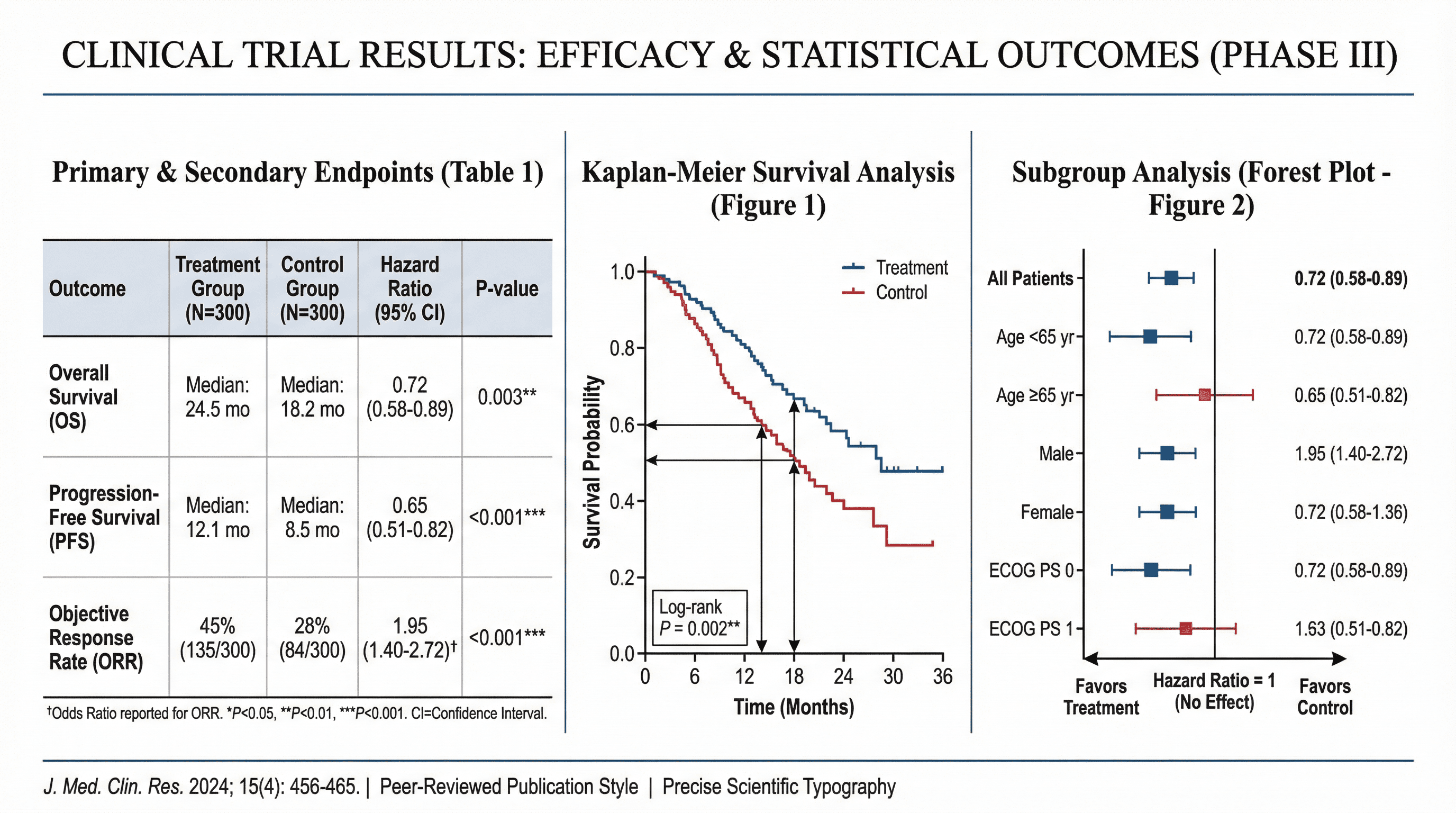
Create a slide presenting clinical trial results with statistical outcomes. Use a scientific publication style with results table showing p-values and confidence intervals, Kaplan-Meier survival curve, forest plot graphic, statistical significance stars, peer-review quality formatting, medical journal aesthetic, and precise scientific typography.
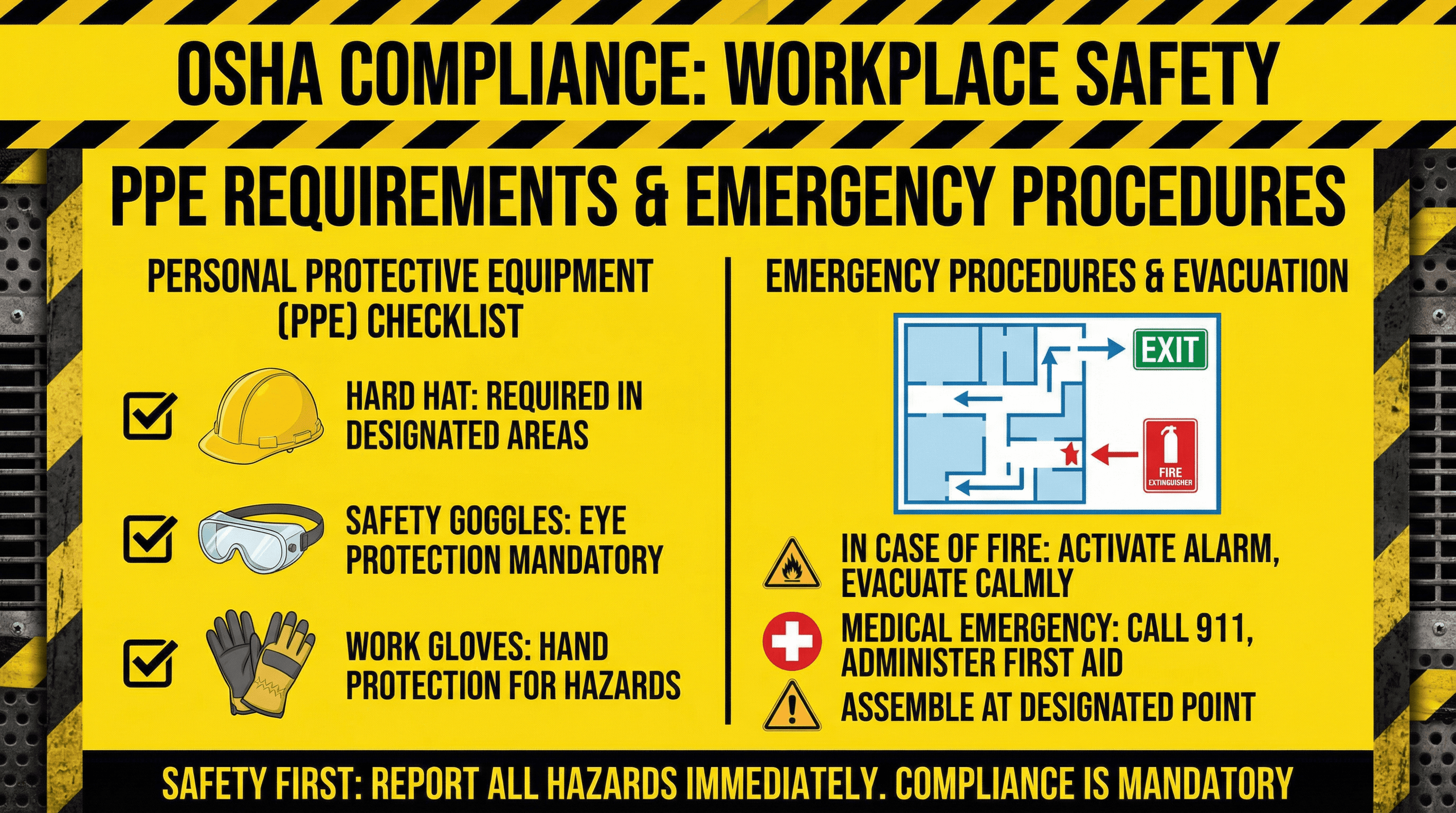
Design a workplace safety slide covering PPE requirements and emergency procedures. Use an OSHA compliance style with high-visibility yellow and black warning colors, PPE equipment illustrations (hard hat, goggles, gloves), emergency exit maps, hazard warning symbols, checklist format, industrial safety aesthetic, and clear safety-critical typography.
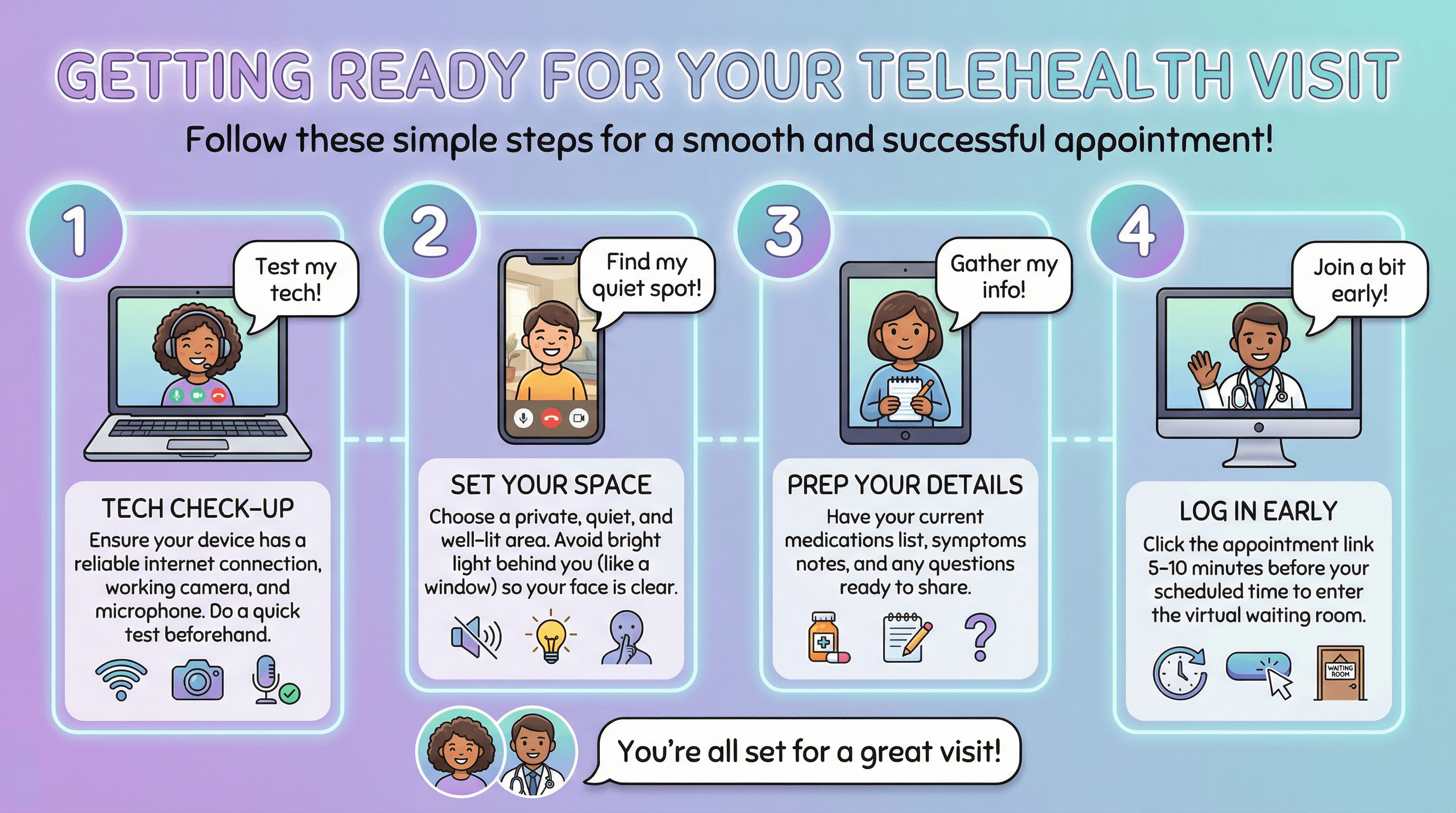
Create a patient-facing slide explaining how to prepare for a telehealth appointment. Design in a friendly tech tutorial style with soft purple and teal gradient, device mockup illustrations (laptop, phone) with video call interfaces, numbered step circles, cheerful patient avatar illustrations, speech bubble callouts, and approachable rounded sans-serif fonts.
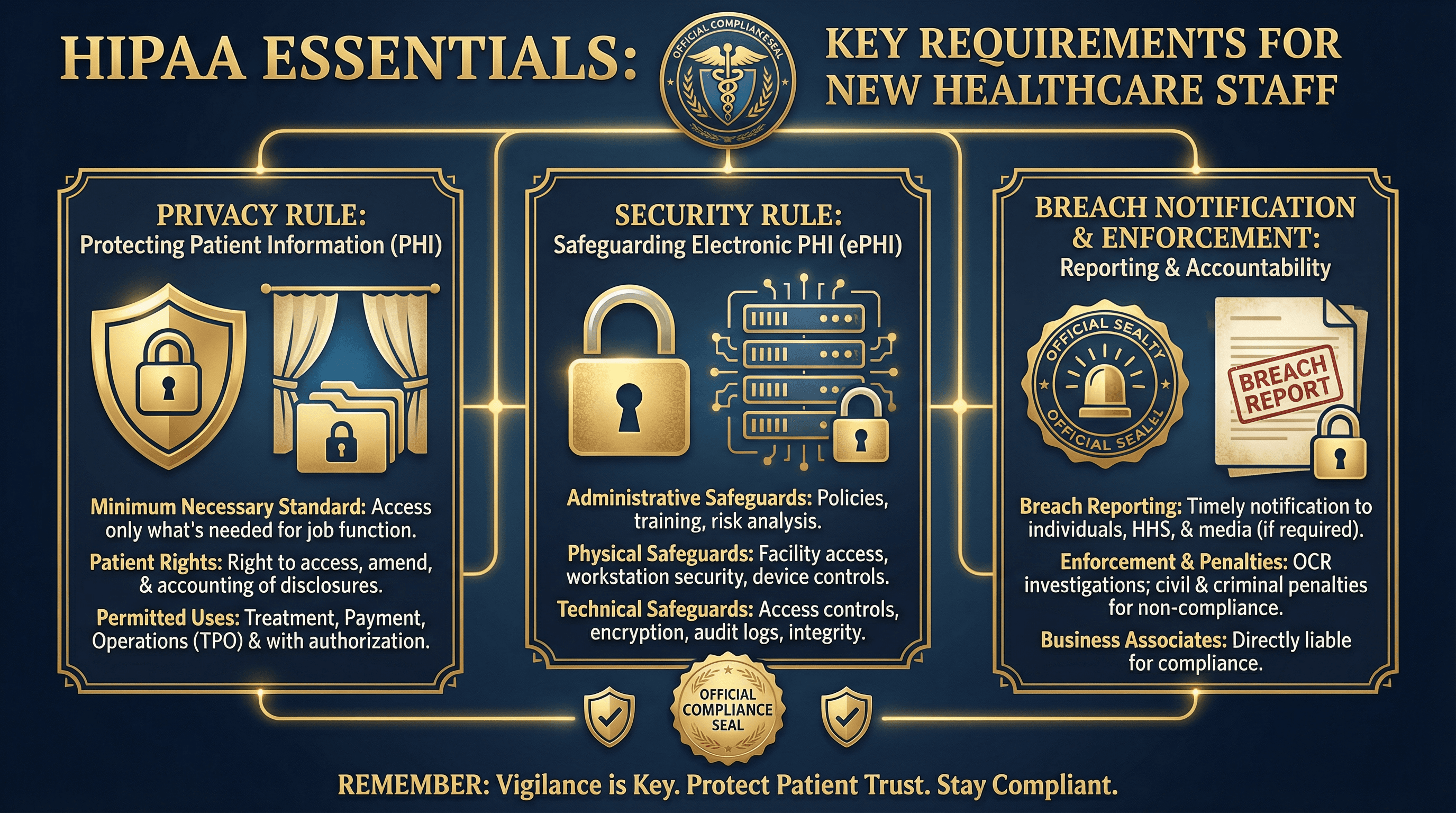
Design an infographic slide explaining key HIPAA requirements for new healthcare staff. Use a security-focused style with shield and lock iconography, deep navy and gold trustworthy color palette, document and folder graphics with padlock overlays, privacy curtain imagery, official seal emblems, and authoritative government-style typography.
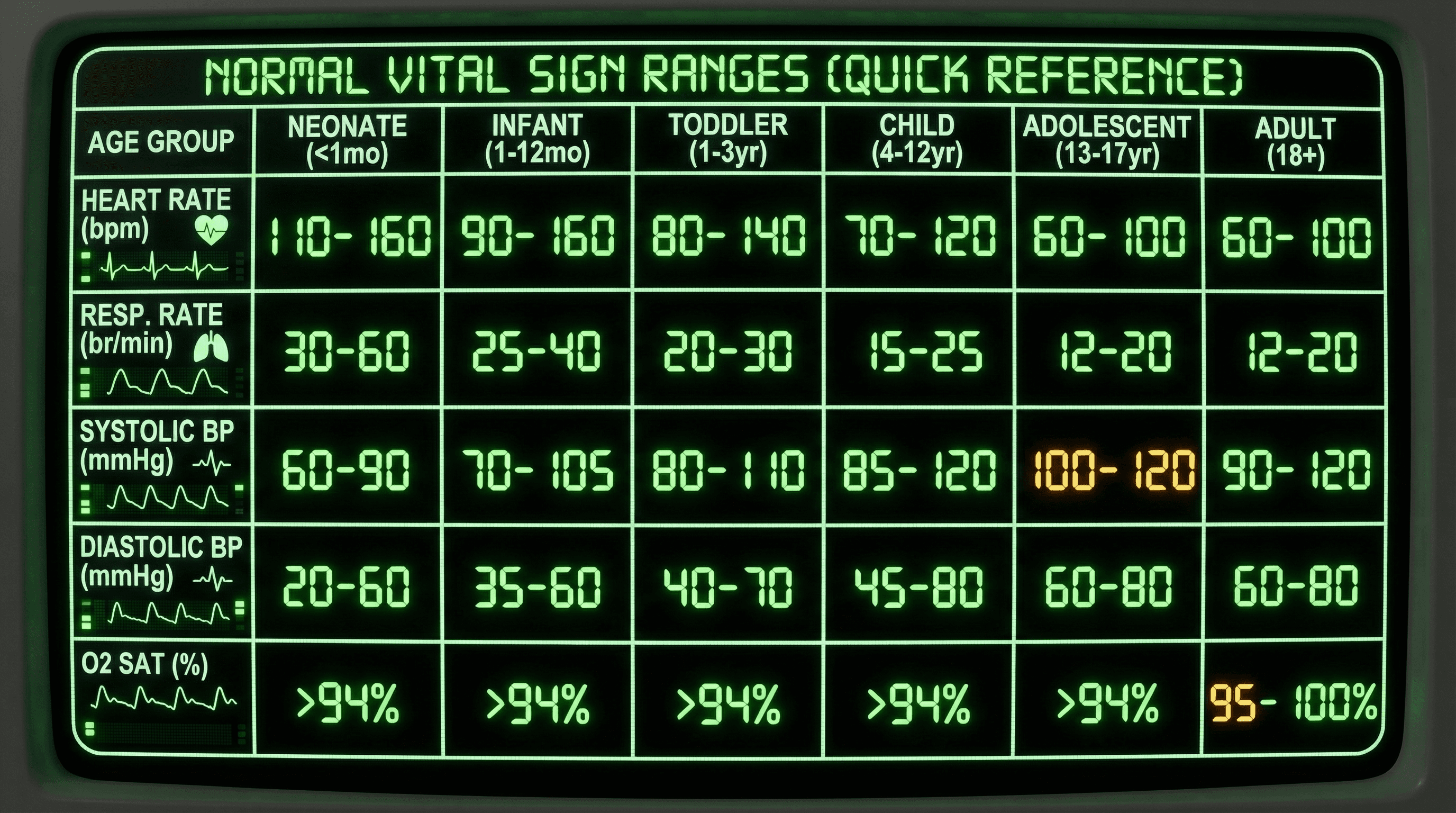
Create a quick reference slide showing normal vital sign ranges across age groups. Design in a clinical monitor aesthetic mimicking hospital bedside displays with black background, glowing green and amber LED-style numbers, heart rate waveform graphics, digital readout fonts, rounded monitor bezels, and organized grid layout resembling medical equipment interfaces.
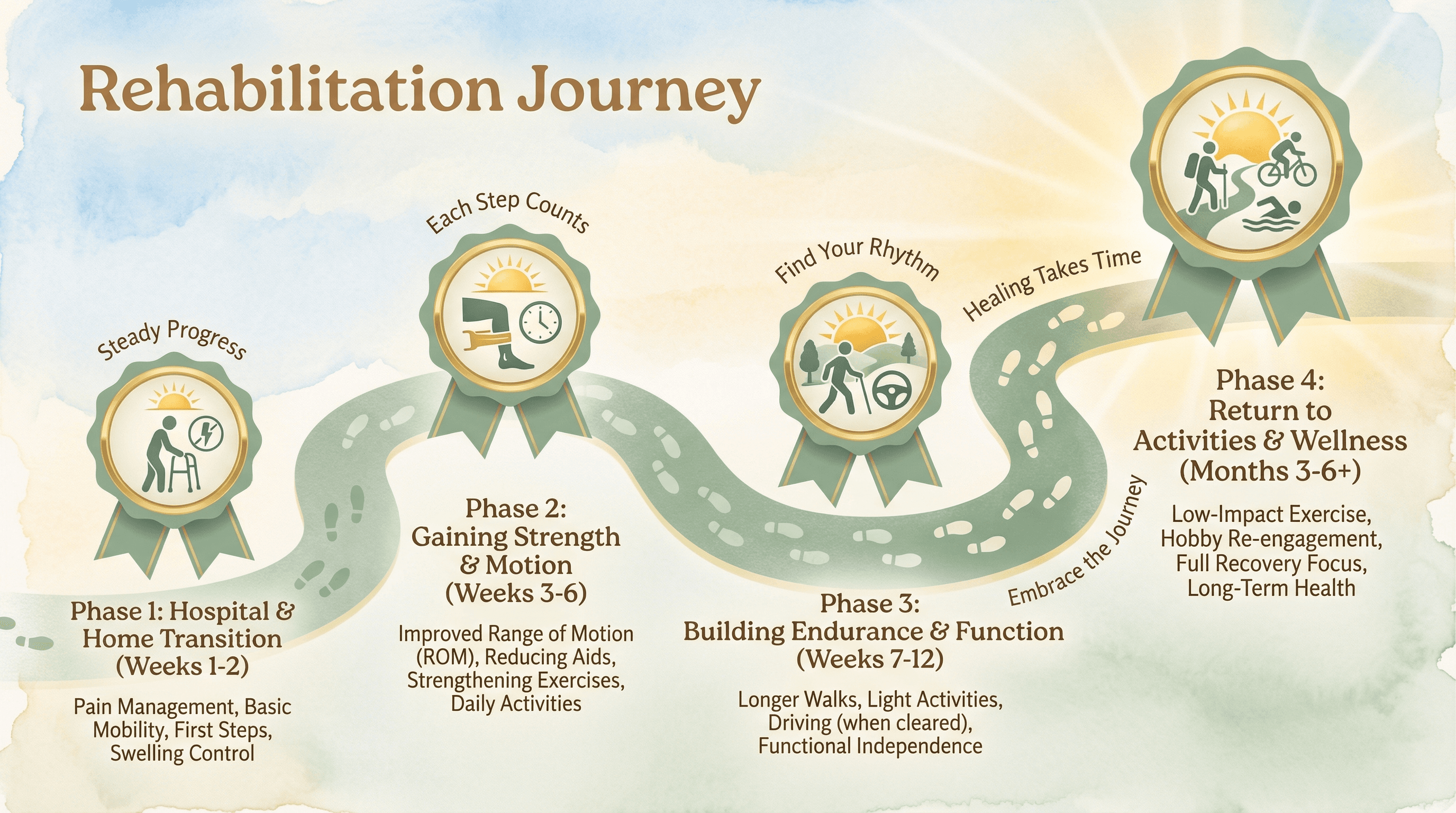
Design a timeline slide showing expected recovery milestones after knee replacement surgery. Use a rehabilitation journey theme with a winding path graphic in calming sage green, milestone markers as achievement badges, progress-tracking footstep icons, encouraging sunrise imagery, gentle watercolor background washes, and supportive warm typography.
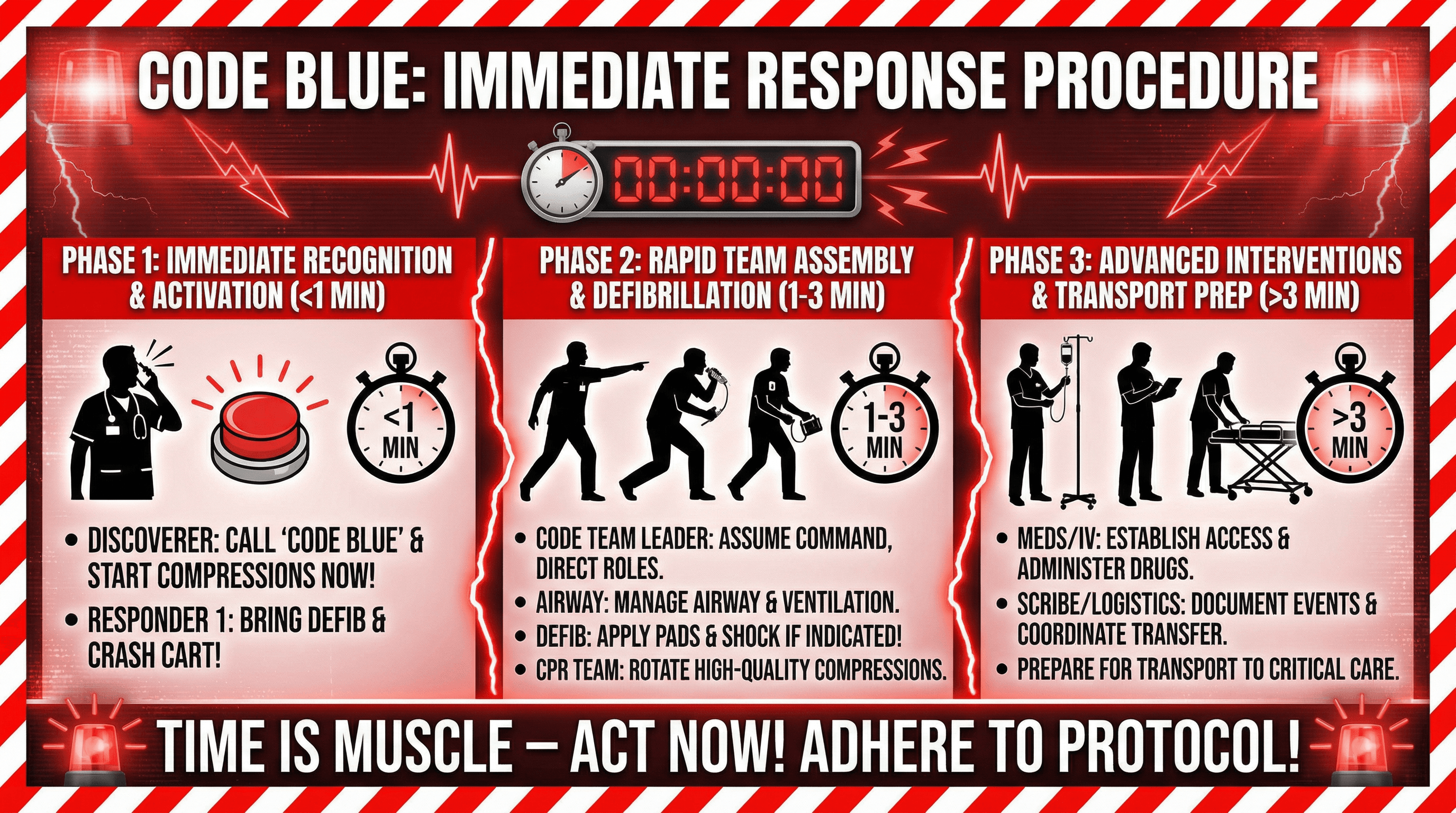
Create a slide outlining code blue response procedure with roles and timing. Design in an urgent alert style with bold red and white high-visibility colors, warning stripe borders, stopwatch graphics showing response times, silhouette figures in action poses, flashing light icon effects, and impact-heavy bold condensed typography demanding immediate attention.
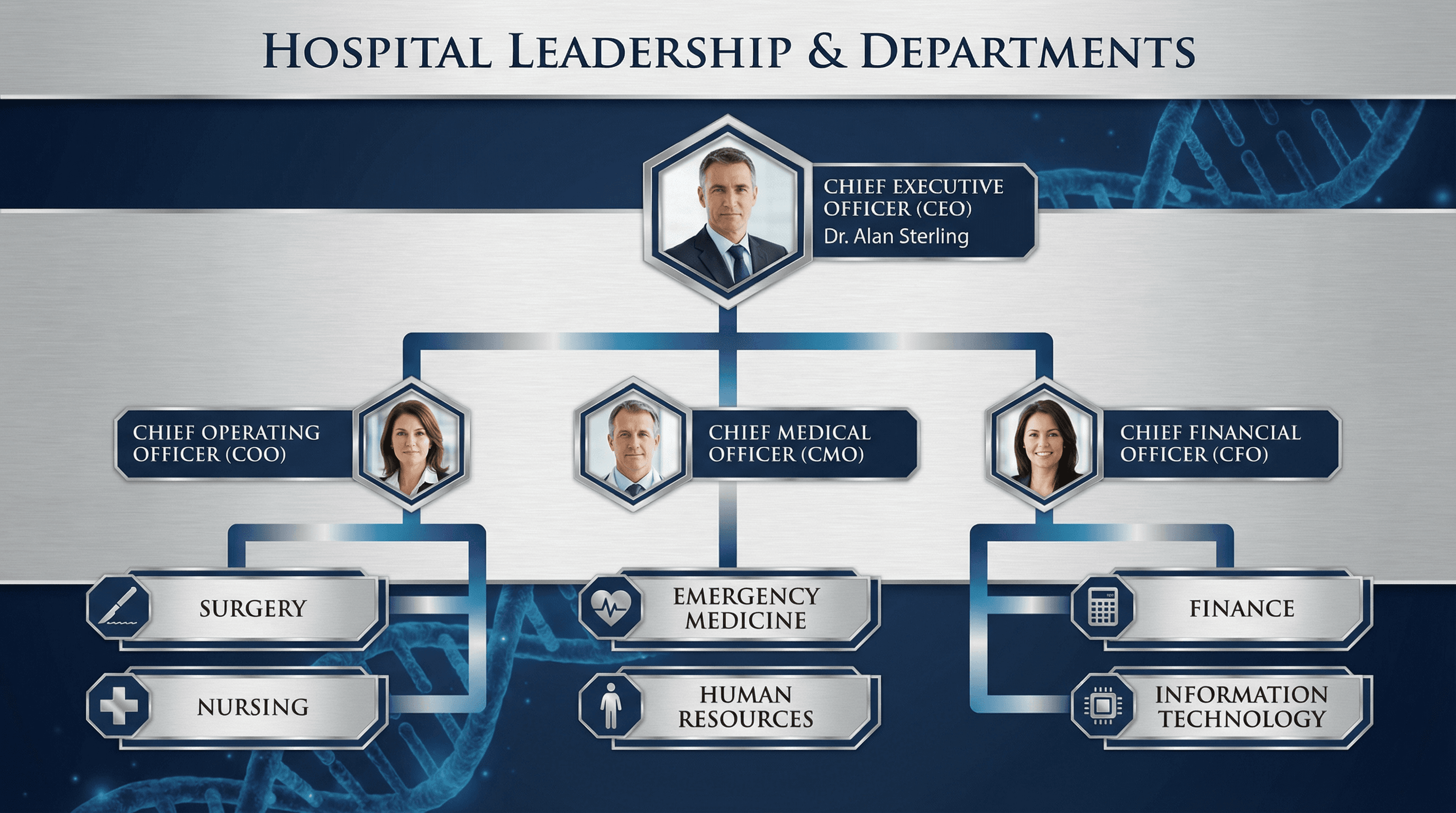
Design an organizational chart showing hospital leadership and departments. Use a corporate medical style with navy blue and silver color palette, hexagonal photo frames for executives, clean hierarchy lines with gradient fills, subtle DNA helix pattern in background, modern geometric shapes, and prestigious serif typography for titles.
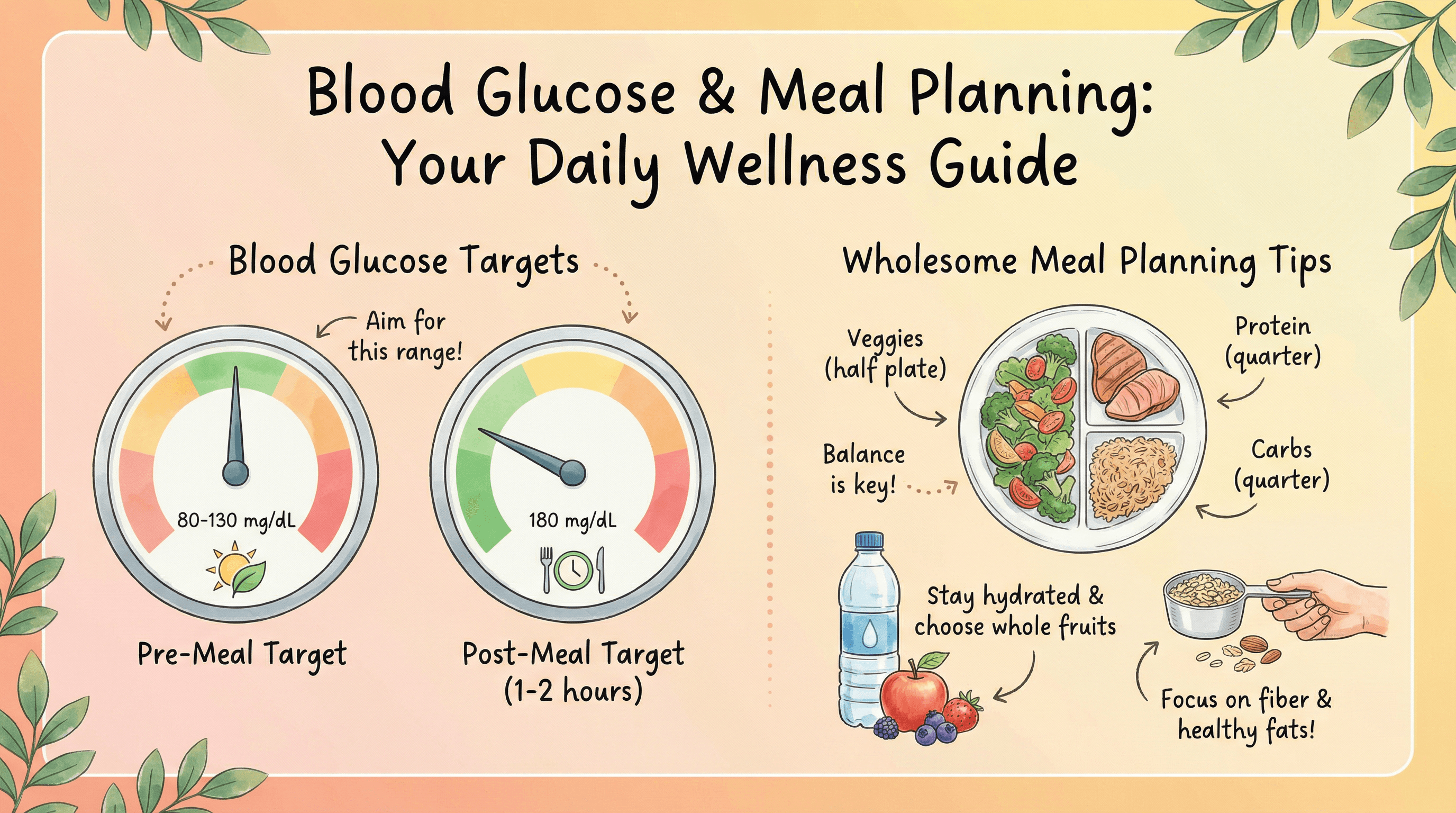
Create a patient education slide showing blood glucose targets and meal planning tips. Design in a friendly wellness app style with warm sunrise gradient (peach to soft yellow), circular gauge graphics for glucose levels, hand-drawn food illustrations in a wholesome cookbook style, encouraging handwritten-style notes, and nature-inspired leaf motifs.
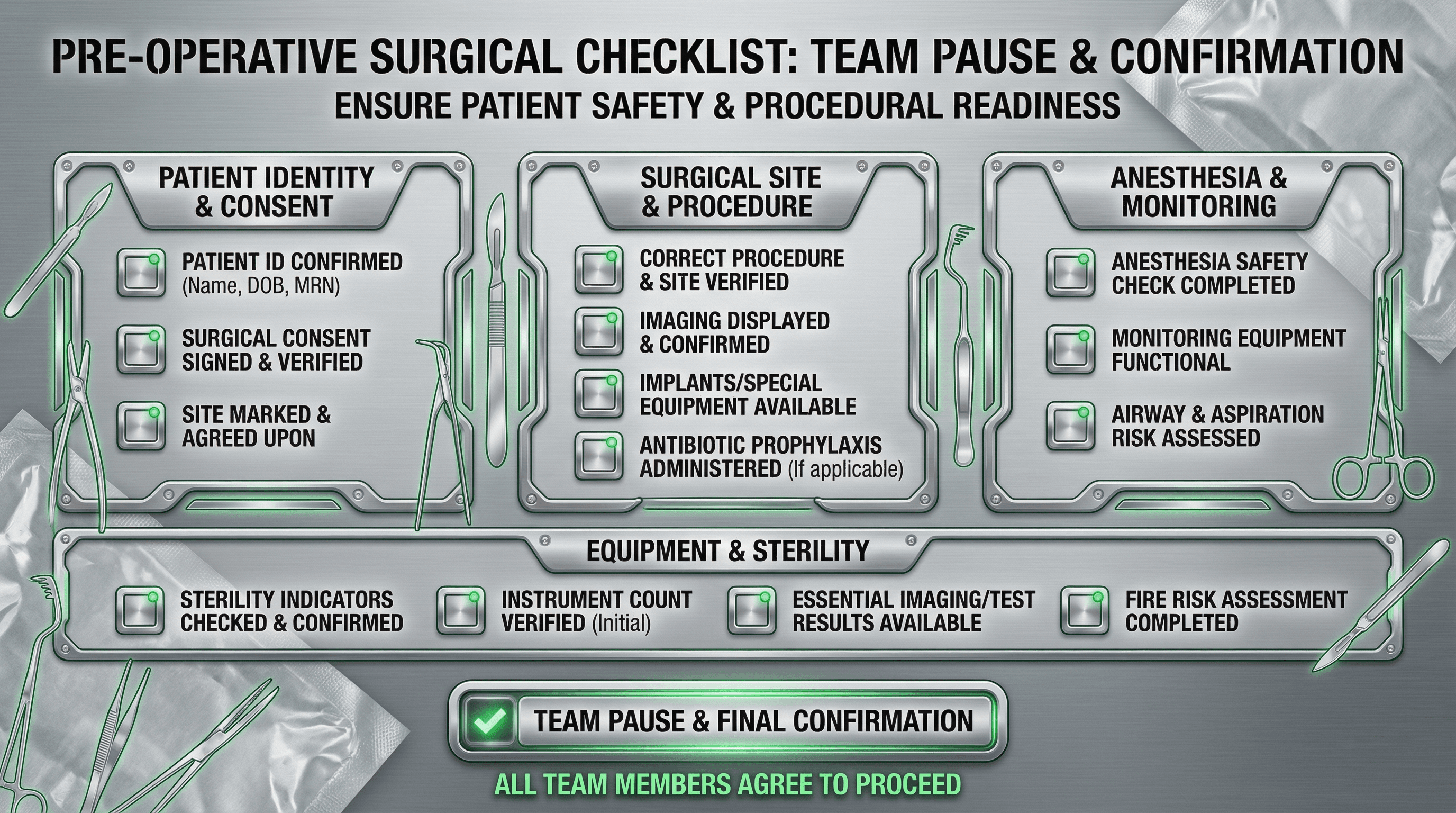
Design a pre-operative checklist slide for surgical teams. Use a surgical steel aesthetic with cool gray gradient background, metallic silver checkbox elements, operating room green accent color, scalpel and medical tool line illustrations, sterile packaging texture overlays, and bold condensed typography resembling medical equipment labels.
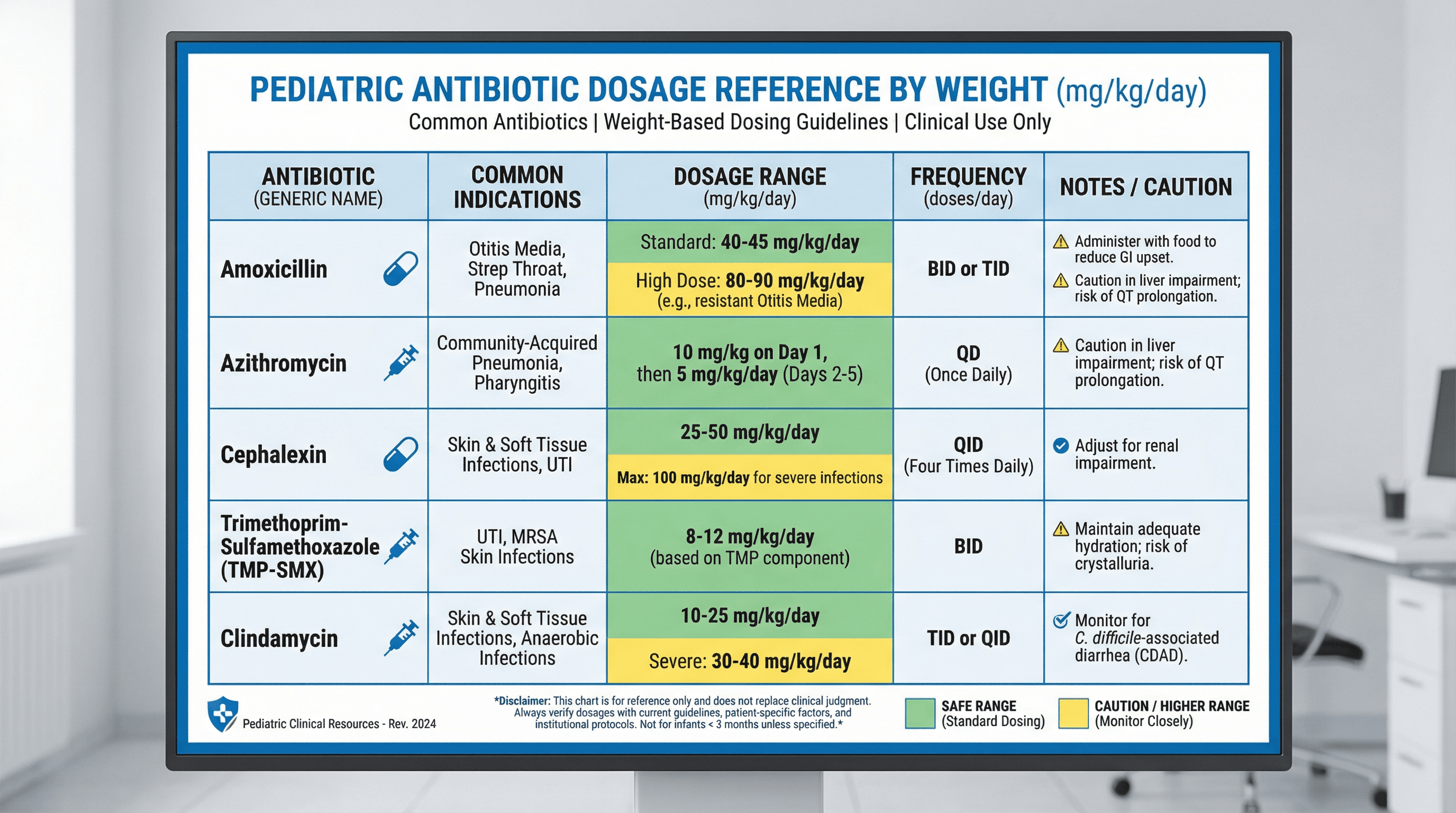
Create a clinical reference slide showing pediatric medication dosages by weight for common antibiotics. Design in a sterile medical chart style with crisp white background, hospital blue headers, precise grid lines, pill and syringe icons in flat design, color-coded dosage ranges (green for safe, yellow for caution), and clear Helvetica typography with high contrast.
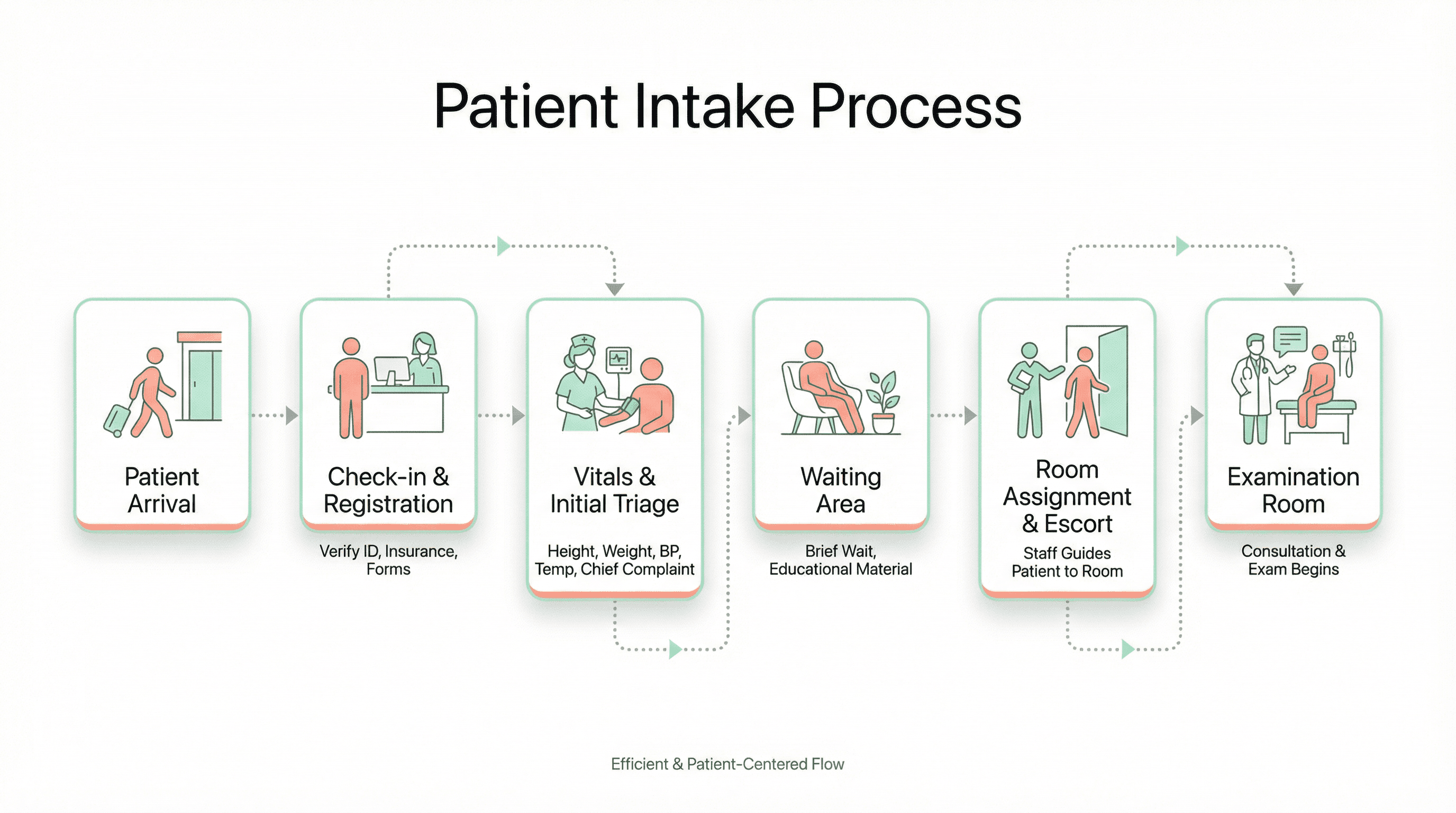
Design a flowchart slide showing the patient intake process from arrival to examination room. Use a modern healthcare UI style with soft mint green and coral accents on white, rounded rectangular process boxes with subtle shadows, friendly line-art icons of patients and staff, dotted connector lines, and a clean Apple Health-inspired minimalist aesthetic.
How to use these Healthcare Prompt Ideas for Nano Banana prompts
These prompts are designed to be your starting block for creating professional medical visuals without leaving your slide deck. You can use them exactly as they are written to see what the AI is capable of, or treat them as templates by swapping out the specific medical terms for your own topics. The goal is to help you visualize complex clinical concepts quickly, whether you are building a lecture for med students or a pamphlet for a waiting room.
Precision is everything in medical imagery, so don't be afraid to get technical with your vocabulary. If you need a specific angle, ask for "sagittal view," "anterior view," or "cross-section" explicitly. Nano Banana understands clinical context, so using the correct terminology helps it deliver a more accurate result than using vague descriptions like "side view."
Make sure you leverage the text rendering capabilities of Nano Banana Pro. This model is incredibly good at placing legible text inside images, which is a game changer for healthcare diagrams. You can include instructions like "label the left ventricle" or "include a title at the top that says 'Surgical Safety Checklist'." This saves you from having to overlay text boxes manually after the image is generated.
Define the aesthetic based on your audience. Medical content can range from hyper-realistic and gritty to soft and illustrative. If you are making slides for a pathology conference, ask for "photorealistic, high detail, clinical lighting." If you are creating patient education materials, try prompting for "soft vector illustration, friendly colors, clean lines." Specifying the style ensures the image feels appropriate for the viewer.
One of the best ways to use these prompts is for patient education materials where clarity is key. You can generate step-by-step visual guides for things like wound care or medication administration. Because you can instruct Nano Banana to include numbers and short captions directly on the image, you can create a "3-step guide to using an inhaler" that is easy to follow and visually consistent.
Clinical protocols and training slides also benefit huge from custom generation. Instead of using a generic stock photo of a hospital hallway, you can generate a specific flowchart or diagram that outlines a triage protocol. You can ask for a "modern infographic layout showing the stroke pathway timeline," and the AI can render the timeline elements with the correct phase labels included.
Work directly in Google Slides and PowerPoint — no need to learn a new tool
Never start from scratch again, just tell us what kind of presentation you want to make.
Add, remix, and rewrite your slides to fine-tune your presentation.
You can control the layout composition to make side-by-side comparisons much easier. Try a prompt structure like "split image vertically, left side showing healthy bone density labeled 'Normal', right side showing bone loss labeled 'Osteoporosis'." This creates a perfect comparison slide in one go without you needing to edit two separate images together.
If your hospital or organization has specific brand colors, you can actually include the hex codes in your prompt. Telling Nano Banana to "use a color palette of white, grey, and #005EB8" helps ensure that the generated diagrams and backgrounds match your official slide template perfectly.