
Plus AI Feature
Building a pitch deck or mapping a customer journey? These Sales & Marketing Prompt Ideas for Nano Banana help you generate professional slide layouts, funnels, and competitive analysis charts instantly. Since our model handles text rendering exceptionally well (no gibberish labels here), you can trust it to create complex, annotated diagrams that are ready for your next meeting.
20 prompts

Create a slide announcing a strategic partnership with both company logos and benefits. Design in a press release style with both logos prominently displayed with handshake graphic between them, partnership benefits in elegant bullet points, celebratory confetti accents, premium navy and gold colors, and formal announcement typography.
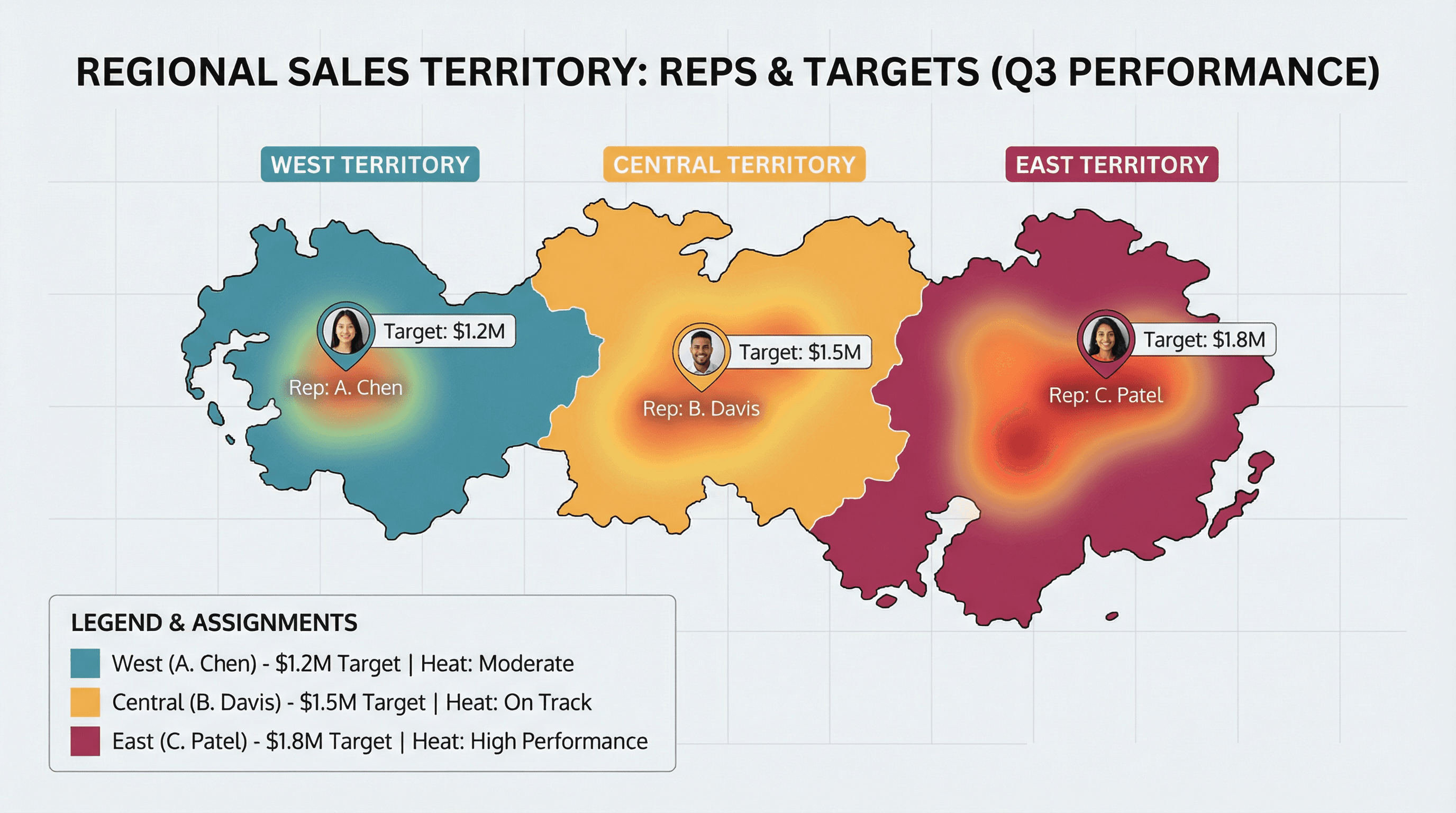
Design a slide with a regional sales territory map showing assigned reps and targets. Use a geographic visualization style with color-coded map regions, sales rep avatar pins, revenue target labels per region, heat map overlay showing performance, legend with territory assignments, and clean cartographic typography.
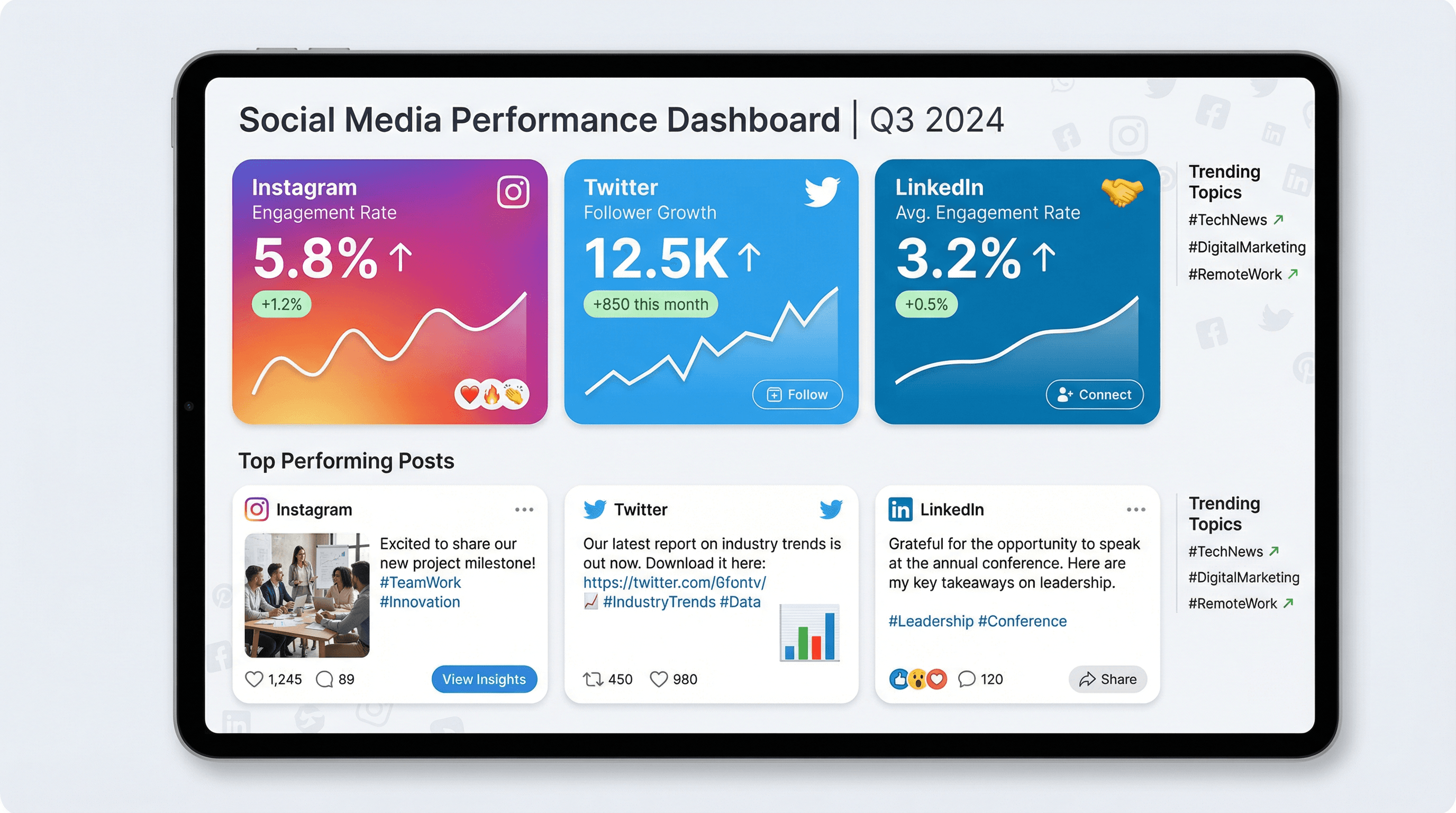
Create a dashboard slide showing engagement rates, follower growth, and top posts. Design in a social media native style with platform-branded colors (Instagram gradient, Twitter blue, LinkedIn blue), metric cards with large numbers and sparklines, post preview mockups, emoji reactions, trending arrow indicators, and modern social typography.
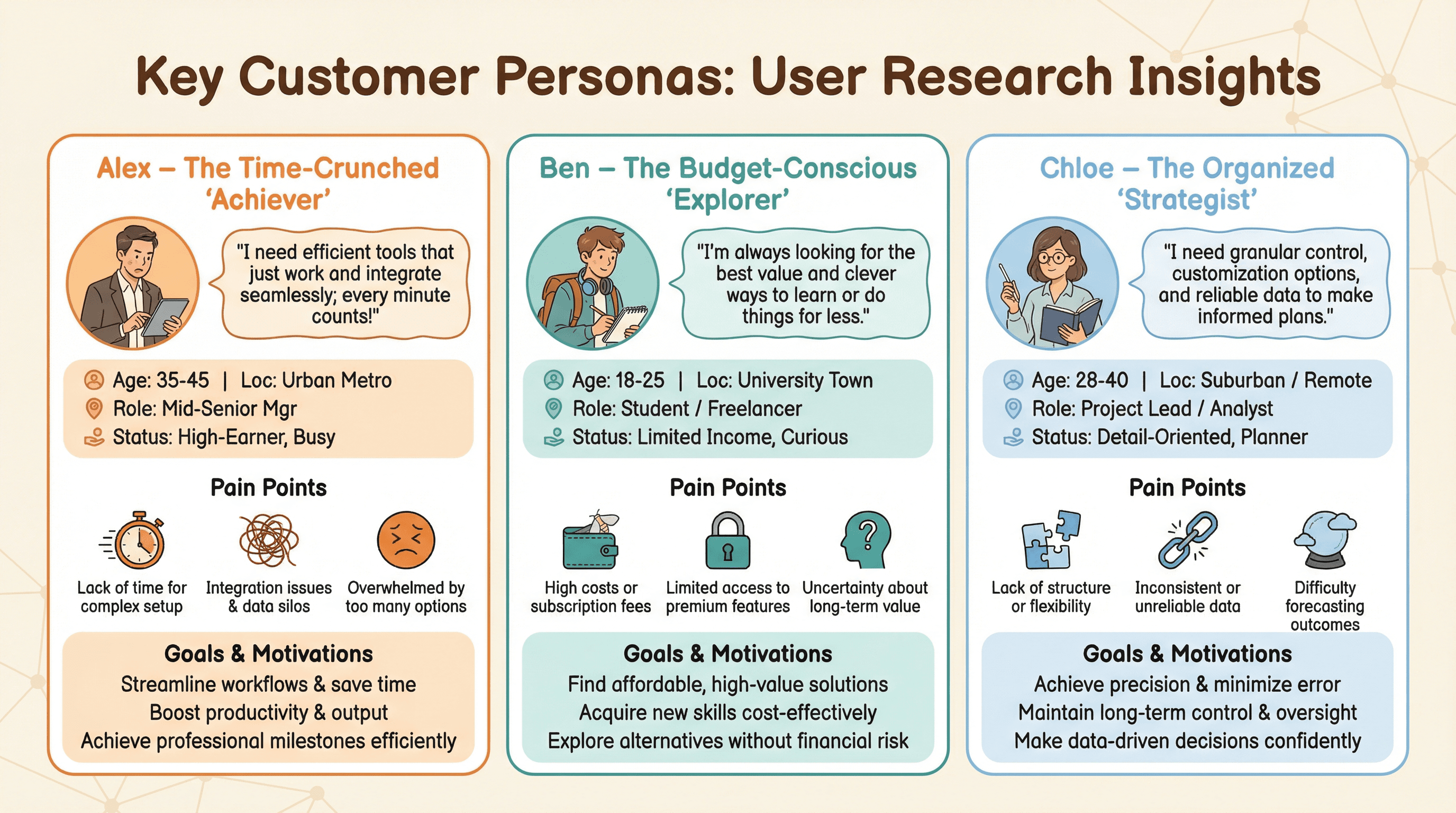
Design a slide presenting 3 key customer personas with demographics and pain points. Use a user research style with persona cards featuring illustrated avatar portraits, demographic stat blocks, quote callouts in speech bubbles, pain point icons, goal and motivation lists, warm approachable colors, and friendly rounded typography.
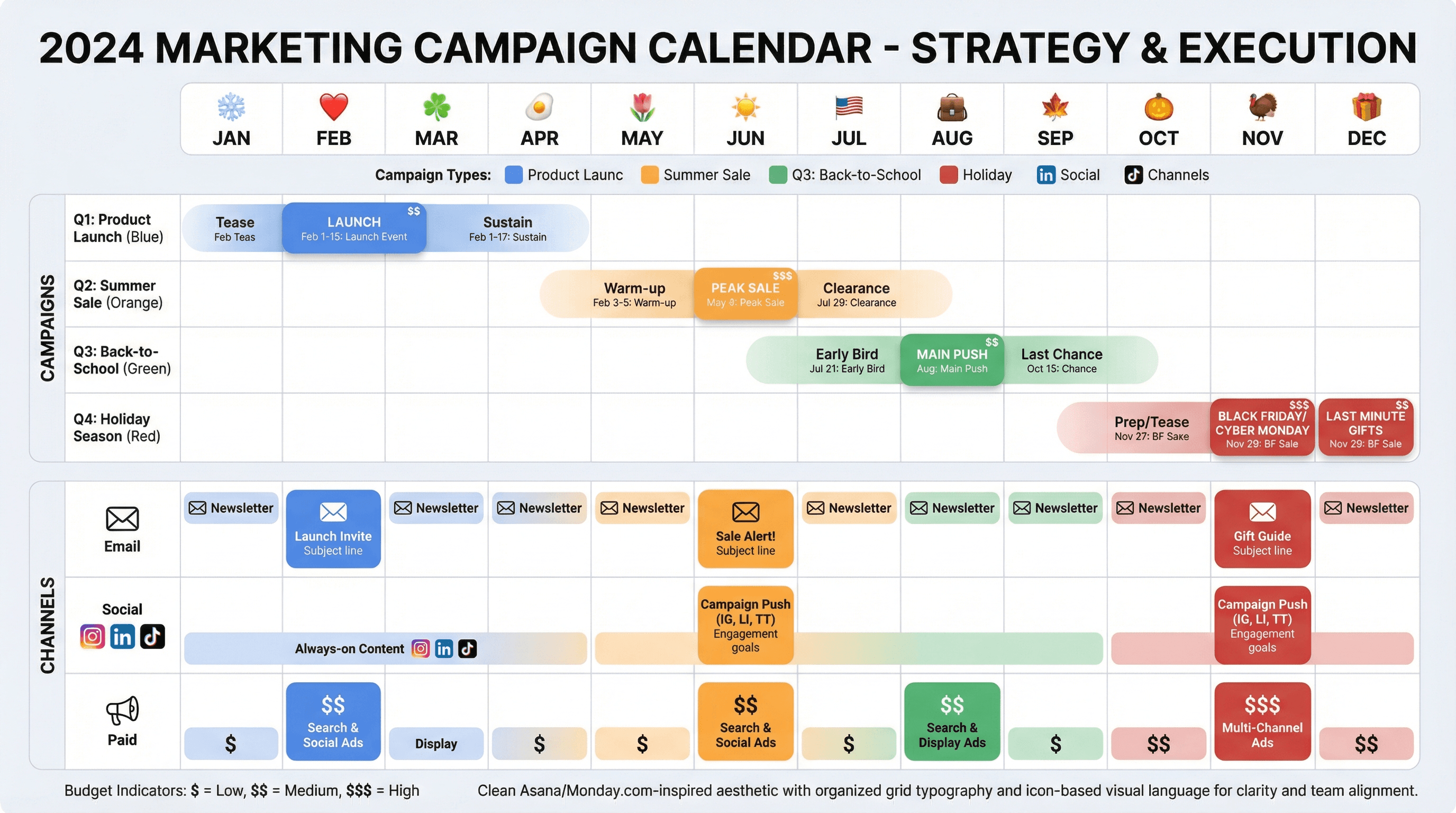
Create a 12-month marketing campaign calendar showing campaigns and channels. Design in a modern marketing team style with color-coded campaign bars across monthly columns, channel icons (email, social, paid), holiday markers, budget indicators, Gantt-style timeline bars, clean Asana/Monday.com-inspired aesthetic, and organized grid typography.
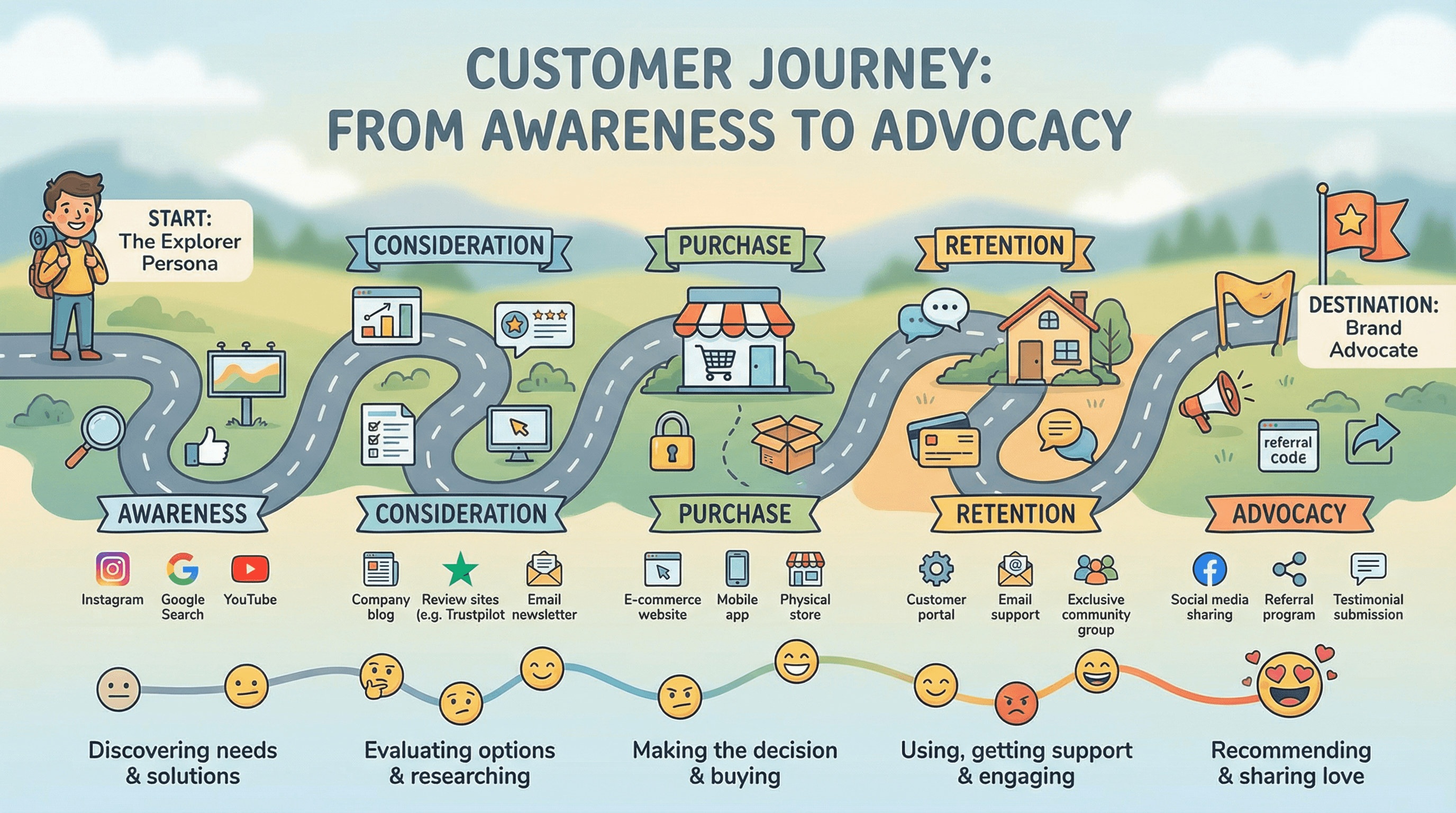
Design a slide mapping the customer journey from awareness to advocacy. Use an experience design style with horizontal journey path as a winding road, touchpoint icons at each stage, emotion indicators (happy to frustrated faces), channel logos, persona avatar at start, destination flag at end, and friendly approachable typography.
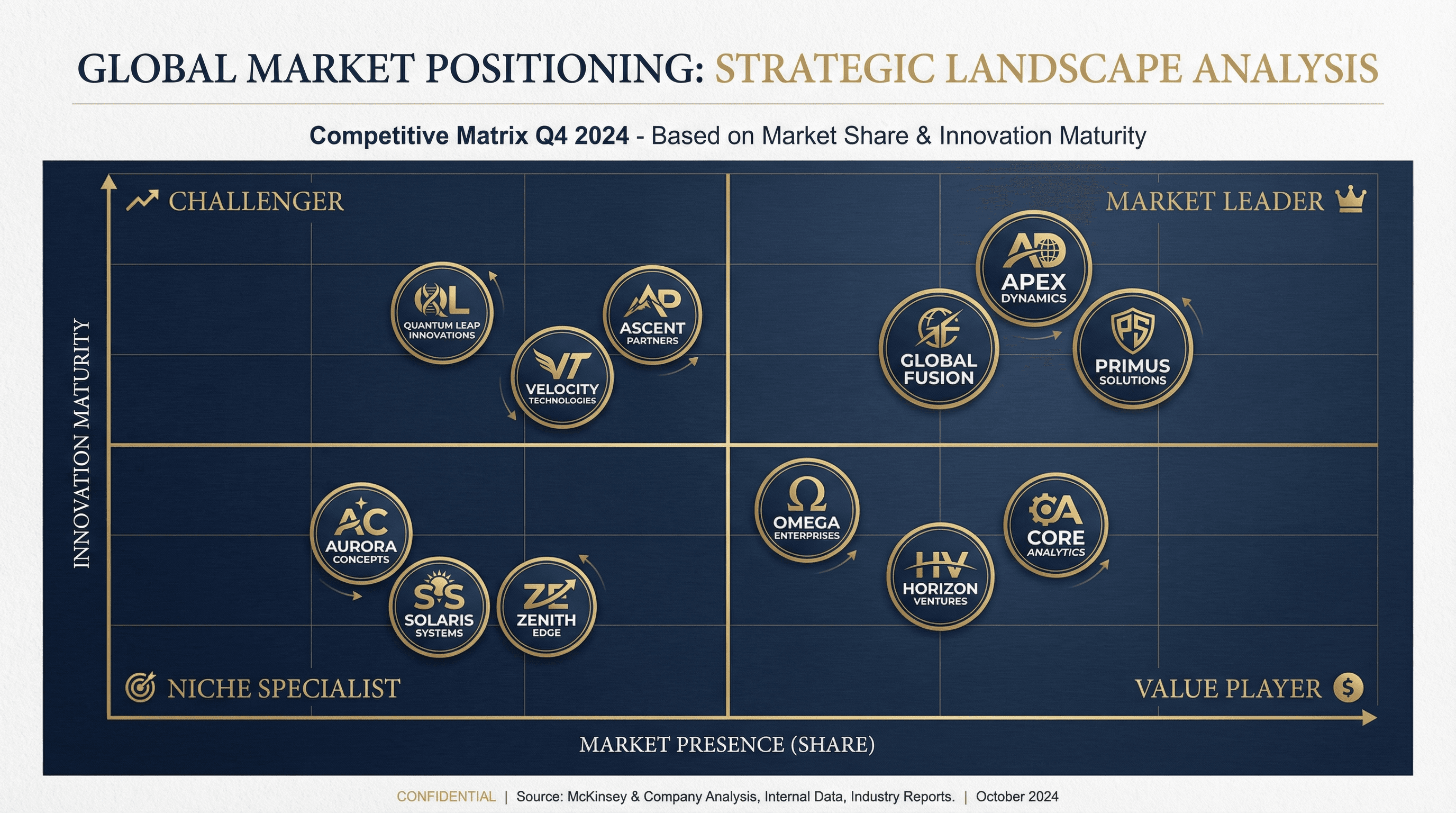
Create a market positioning slide showing competitors on a 2x2 matrix. Design in a strategic consulting style with elegant navy and gold color scheme, competitor logos in positioned circles, quadrant labels in sophisticated serif fonts, subtle grid lines, premium matte background texture, and McKinsey-inspired executive presentation aesthetic.
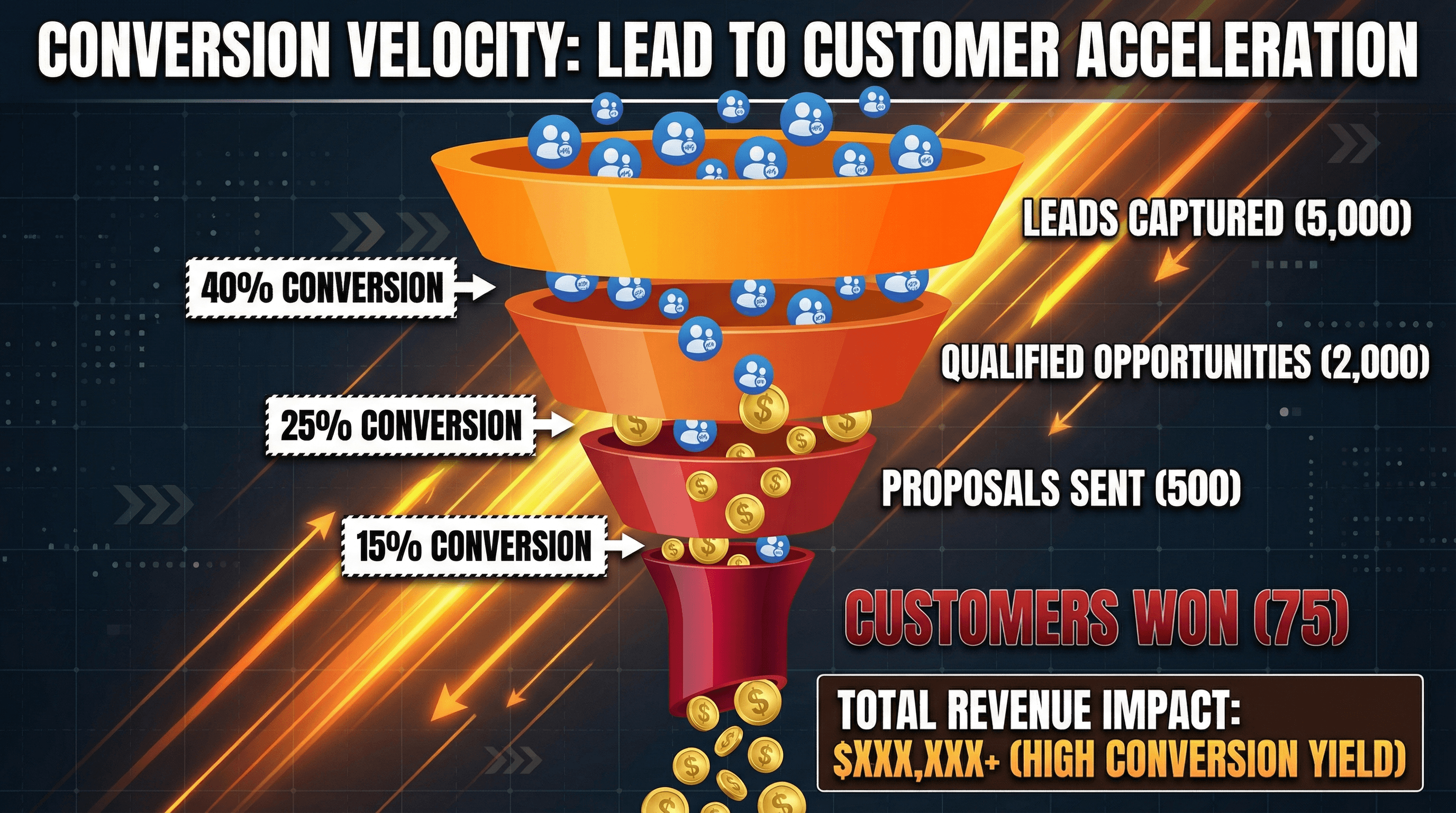
Design a funnel visualization slide showing lead to customer conversion rates. Use a bold conversion-focused style with wide-to-narrow funnel graphic in gradient orange to deep red, percentage labels at each stage, falling lead icons, dollar sign accents, dynamic diagonal energy lines, and impactful sales-focused typography with large numbers.
How to use these Sales & Marketing Prompt Ideas for Nano Banana prompts
Think of these prompts as blueprints for your high-stakes presentations. You can copy them directly to get immediate results, or tweak the specific variables like industry terms and color schemes to match your brand guidelines. The goal here is to help you move from a blank slide to a persuasive visual narrative without needing a degree in graphic design.
Leverage the text rendering capabilities. Nano Banana Pro is genuinely good at handling text within images, which is a game changer for sales visuals. When you want a label, title, or specific data point to appear, put the exact phrase in quotation marks inside your prompt. For example, asking for a sales funnel labeled Awareness, Consideration, Decision will actually give you those legible labels in the correct spots.
Be specific about design styles. Vague words like professional or nice can lead to generic stock-photo vibes. Instead, use specific descriptors that match your company's aesthetic, such as flat vector illustration, isometric 3D icons, minimalist line art, or corporate Memphis style. This ensures your generated images feel like they belong in the same deck.
Define the layout structure clearly. If you need a comparison slide, explicitly ask for a split screen layout or a side-by-side comparison table. If you are showing a process, ask for a linear flowchart or a circular loop. The model follows these structural instructions closely, saving you the hassle of cropping and rearranging elements later.
Visualizing complex customer journeys. Instead of listing touchpoints in a boring bulleted list, use these prompts to generate a winding path or a roadmap visual. You can instruct Nano Banana to place specific labels like Email Campaign or Demo Call directly onto the path, creating a visual story that is much easier for stakeholders to follow during a strategy meeting.
Creating distinct competitive landscapes. Standard 2x2 matrices often look dry when built with basic shapes. You can generate a stylized quadrant chart with custom icons and legible axis labels like High Cost vs Low Cost. It makes the competitive analysis section of your pitch deck pop without requiring you to manually align text boxes and arrows.
Work directly in Google Slides and PowerPoint — no need to learn a new tool
Never start from scratch again, just tell us what kind of presentation you want to make.
Add, remix, and rewrite your slides to fine-tune your presentation.
Dictate the typography hierarchy. Since the model understands design intent, you can get granular with text styling. Try asking for a bold, dark blue sans-serif headline at the top and small, grey caption text at the bottom. This helps you generate slides that are 90 percent finished right out of the gate.
Mix metaphors with hard data. Sales decks often need to balance emotion with facts. Try prompting for a visual metaphor, like a mountain climber reaching a peak, but explicitly ask for a flag at the top labeled Q4 Revenue Goal. This technique bridges the gap between motivational imagery and the hard numbers you need to present.